

Trauma-Informed Yoga Group
ACC Sensitive Claims Approved Group-Based Therapy to Support Your Healing Journey
Tāhuna (Queenstown) Trauma-Informed Yoga 2026



Trauma-Informed Yoga (TIY) Group – ACC Sensitive Claims Approved
Program Overview
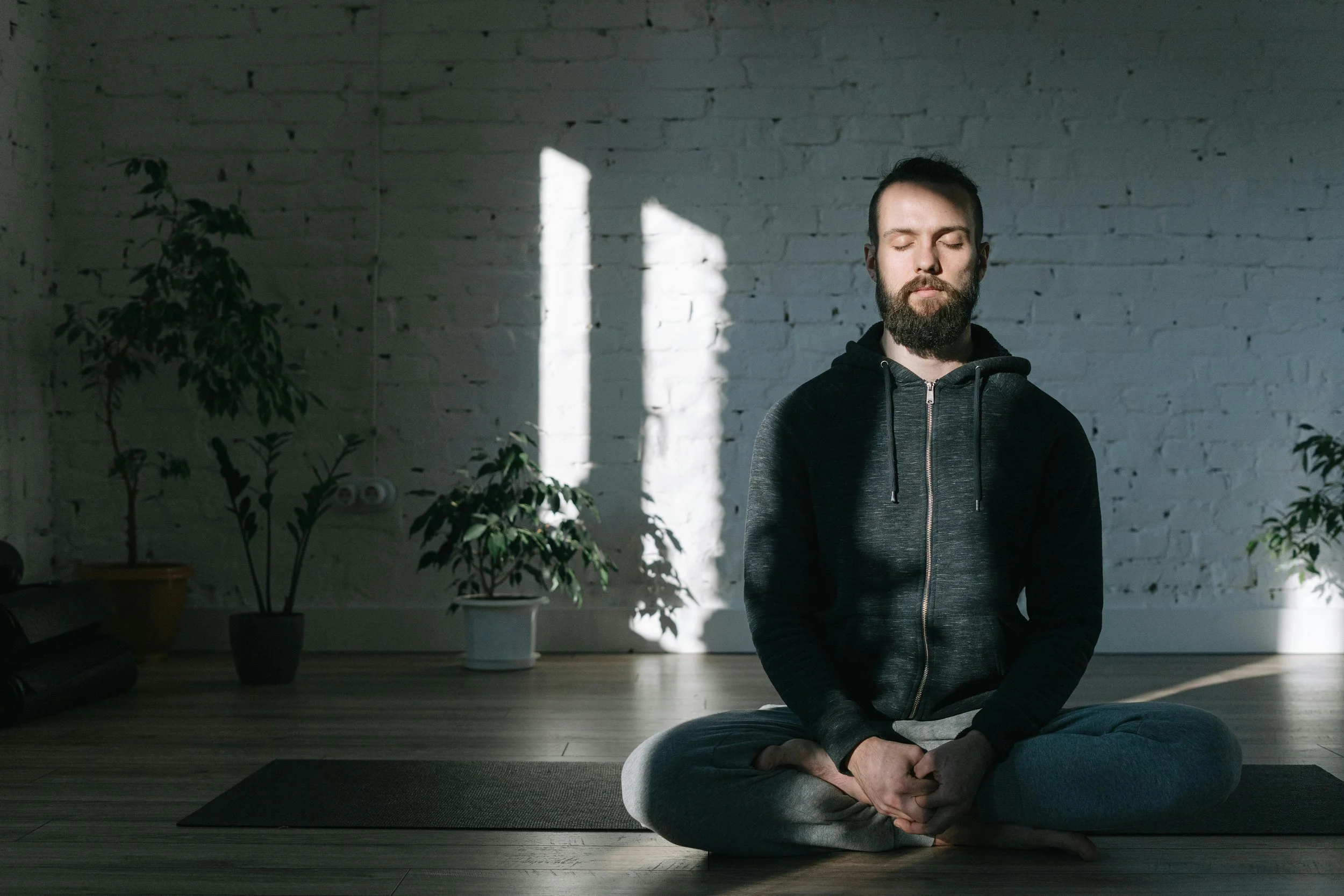
Our Trauma-Informed Yoga (TIY) Group is a warm and empowering program designed to support survivors of trauma through gentle yoga-based practices. This group is fully funded for clients under ACC’s Sensitive Claims – meaning there is no cost for you to participate.
TIY is an evidence-based adjunct therapy for those recovering from sexual abuse or violence, offered in a safe group environment. We focus on helping you reconnect with your body, regain a sense of control, and build healthy coping skills – no prior yoga experience is needed.
In this program, you'll join a small group of others on a similar healing journey. Our aim is to create a safe, supportive space where you can learn to regulate your nervous system through gentle movement and mindfulness.
The facilitators act as guides, offering choices and encouraging you to feel empowered to move at your own pace. Unlike a typical yoga class, trauma-informed yoga prioritizes safety and choice over performance – you are in charge of what feels right for your body at all times.
This group is trauma-informed in every aspect, so you will not be asked to talk about your trauma in detail or do anything that makes you feel unsafe. Our goal is to help you slowly rebuild trust in your body and find strength and calm from within.

Why Trauma-Informed Yoga?
Trauma can have profound effects on both the mind and body. Many survivors experience anxiety, hypervigilance, disconnection from their bodies, or a feeling of being “stuck” in fight, flight or shutdown mode long after the trauma. Trauma-informed yoga offers a gentle way to address these effects by working bottom-up (through the body) rather than only top-down (through talking). It integrates mindful movement, breathing, and grounding techniques to help calm the nervous system and release tension stored in the body.
Research has shown that trauma-sensitive yoga can lead to significant improvements in PTSD symptoms. For example, a standard 10-week trauma-focused yoga course reduced PTSD symptoms by about 33%, and over half of participants no longer met the criteria for PTSD after the program.
Why is yoga so effective? It helps survivors feel safe and in control of their own bodies, something that trauma often takes away.
Through the practice, participants often report feeling more present, better able to manage stress, and more connected to themselves and others. Trauma-informed yoga is even seen as an opportunity not just for post-traumatic stress recovery, but for post-traumatic growth – building resilience and a new sense of empowerment beyond the trauma.

Key benefits of Trauma-Informed Yoga:
Emotional regulation: Learn techniques to calm your body’s stress response when feeling anxious or triggered, and gradually build confidence in managing trauma responses.
Mindfulness and presence: Practice staying in the present moment through breathing and movement, which can reduce flashbacks and improve concentration.
Body awareness & connection: Gently reconnect with your body’s sensations and signals. Many survivors feel numb or disconnected; yoga helps restore a caring, positive relationship with your own body.
Reduction of physical tension: Release muscle tension and learn to relax your body. This can improve sleep and reduce physical symptoms of stress (aches, fatigue, etc.).
Self-soothing skills: Develop breathing exercises and grounding techniques you can use anytime to self-soothe and find calm.
Empowerment and agency: Choice is central in TIY – you’ll always have options in how you move or whether you participate in an activity. Making choices about your body in a safe space can rebuild your sense of control and mastery.
Social connection: Heal alongside others in a supportive group. Many participants find strength in knowing they are not alone and in witnessing each other’s progress – “my strength is not as an individual, but as a collective” (to quote a Māori proverb).
Overall, trauma-informed yoga is a gentle yet powerful way to complement your healing. It works directly with the nervous system and body, which can often bypass the limitations of talk therapy alone. By integrating mind and body, TIY helps you gradually feel safer, more present, and more embodied (inhabiting your body with a sense of compassion rather than fear). It’s about moving from surviving to thriving, at your own pace.
Who Is It For? (Eligibility)
This group is designed for ACC Sensitive Claims clients (kiritaki) who want to incorporate a body-based therapy into their recovery. It may be a great fit for you if:
You are an adult survivor of sexual abuse or assault with an accepted ACC Sensitive Claim (funding through ACC’s Sensitive Claims program). Note: If you have experienced sexual trauma but do not yet have an ACC claim, please reach out – we can help guide you on getting connected with ACC support.
You are currently engaged in one-on-one therapy with an ACC registered provider (e.g. a counsellor, psychologist, or therapist under the Sensitive Claims contract). Trauma-Informed Yoga is meant to complement, not replace, individual therapy – you should have a therapist who supports your participation.
You feel ready for a group setting and have enough stability or self-regulation skills to participate safely with others. (For example, you’ve learned some grounding techniques or coping strategies with your therapist.) You do not need to be “completely healed” – this group is for people in progress, but it’s important that you have ways to handle difficult emotions if they arise.
You are able to commit to regular attendance for the duration of the group (barring emergencies). Consistency helps build trust and safety in the group.
No prior yoga experience is required. This program is beginner-friendly and adaptable to all fitness levels, body types, and abilities. You do not need to be flexible or athletic – the focus is on internal experience, not on performing perfect poses.
Currently, our TIY group is for adults (18 years and over). We have an in-person women only, in-person men only and online all genders. We celebrate diversity and strive to make our groups inclusive. If you have any specific needs or concerns, please let us know – we will do our best to accommodate or may form separate groups in the future based on demand.
If you’re unsure whether this group is right for you, we encourage you to reach out and discuss it. We can talk with you (and your therapist if appropriate) to make sure you feel comfortable joining. Your safety and readiness are our top priorities.
What to Expect in a Session
Session Structure
Each class runs for about 60 minutes and follows a simple, grounding routine. We begin with a brief check-in, education on class theme, followed by gentle, choice-based yoga and mindfulness. You’ll be guided through slow, intentional movement, breathing, and stretching, with full permission to modify or rest at any time. We close with a short relaxation practice (like meditation or yoga nidra) to help you settle before returning to your day. You never have to speak or share unless you want to.
Safety and Consent
This is not a typical yoga class. We don’t use hands-on adjustments or physical touch and the teacher practices with you. Everything is offered as a choice, and there’s no “right” way to move. You’re invited to listen to your body and participate in whatever way feels supportive. If that means lying still and breathing, that’s completely welcome.
Supportive Group Environment
The in-person group is small (around 6–8 participants) and confidential. You won’t be asked to talk about your trauma. The focus is on reconnecting with your body at your own pace. Over time, many participants can feel a sense of connection and shared understanding just from practicing alongside others who “get it.”
Online Groups: 20 participants max. Camera’s of participants will be off and classes will not be recorded.
Getting Started
Before the group begins, you’ll have a one-on-one intake session with a facilitator to make sure you feel comfortable and prepared. It’s a relaxed chat to answer questions and explore any personal needs. This session is funded by ACC and helps establish trust and safety from the start.
What to Bring
Wear comfy clothes you can move in – no special gear required. Mats and props are provided for in-person sessions, but you’re welcome to bring your own. Avoid big meals or substances before class. Most importantly, come as you are – anxious, tired, or unsure is all okay. This is a space where you’re supported to show up exactly as you are.

Group Format & Schedule
Our Trauma-Informed Yoga group runs in 8-week cycles, with one 60-minute session per week, plus a pre-group 1:1 intake session to help you feel prepared.
Times:
Women Only In-Person: Thursday evenings from 7-8pm
Men OnIy In-Person: Thursday evenings from 5:30-6:30pm
All Genders Online: Wednesdays 12-1pm
Location:
We are currently offering the group in person at Lake Hayes Pavilion.
An online option (via secure Zoom) is available for those who prefer or require a remote format.
Dates:
Term 2 - Starting the week April 22nd 2026
To learn more about our groups or reserve a spot, simply contact us – we’d love to hear from you.
Referrals and ACC Funding
Fully Funded by ACC
This group is free for clients with an accepted ACC Sensitive Claim.
ACC covers both the pre-group 1:1 intake and the 8-week group sessions.
How to Get Started (for clients):
Talk to your ACC therapist or counsellor and let them know you're interested.
If it’s a good fit, your provider will request funding from ACC on your behalf.
Once approved, you’ll be contacted to schedule your intake session.
New to ACC Sensitive Claims?
If you haven’t started a claim but have experienced sexual harm or trauma, we or any ACC-registered therapist can help.
The process is confidential, supportive, and once approved, you’ll have access to free therapy and group options like this.
Reach out if you’d like help understanding or beginning this process.
How to Refer – for Providers and Health Professionals:
We welcome referrals from ACC Lead Providers, GPs, psychiatrists, and other health professionals supporting survivors. Here's how to refer:
1. Get in touch:
Email or call us to check availability or suitability.
We can hold a spot, provide ACC vendor details, or send a program info sheet for your client.
2. Request ACC approval:
In your client’s Wellbeing Plan, request:
SCSGTT x 1 (for the intake session)
SCSGT x 8
Include a brief rationale (e.g. to support regulation, body awareness, and complement therapy).
Need a wording template? Let us know – we’re happy to help.
3. Once approved:
After ACC issues a PO, we’ll connect with the client to book their 1:1 intake and provide group details.
We’ll stay in contact if anything changes or if the client defers to a later cycle.
4. During the group:
You remain the client’s main support.
With consent, we’ll update you on attendance, engagement, or any concerns.
A brief summary can be shared post-group if needed for reporting.
If your client doesn’t have an ACC therapist yet:
You can refer them to us or a local ACC-registered provider.
Clients must be engaged with a Lead Provider to join the group.
Important:
This program is ACC-approved under the Sensitive Claims contract.
Spaces are limited and allocated based on readiness and fit – we can waitlist clients if needed.
We're here to collaborate – feel free to reach out with any questions.
Meet the Facilitators
Each session is led by two experienced professionals – a yoga therapist and a mental health clinician – to ensure emotional and physical safety throughout the group.

Richelle Muscroft
Certified Yoga Therapist (C-IAYT), Somatic Experiencing® Practitioner
Richelle is a somatic practitioner with 8+ years’ experience in trauma recovery, chronic pain, and nervous system health. She blends gentle movement, breathwork, and body awareness with trauma-informed care, and has led therapeutic yoga groups across clinical and community settings. Richelle brings a calming presence and ensures all movement is adaptable, safe, and choice-based.

Kelsey Powell
Registered Counsellor (MNZAC), Practice Owner
Kelsey is a trauma therapist with extensive experience supporting survivors of sexual harm and complex trauma. She holds a Master’s in International Disaster Psychology and has worked across Aotearoa and internationally in high-impact mental health roles. As an ACC Sensitive Claims provider, she integrates evidence-based approaches like CBT, ACT, and mindfulness to support healing. In the group, Kelsey focuses on emotional safety, integration, and nervous system regulation.
Together, Kelsey and Richelle offer a compassionate, grounded space where participants can safely reconnect with their bodies and move toward healing. Both maintain professional registration and regular clinical supervision.
Contact Us – Start Your Healing Journey Through TIY
We invite you to reach out if you’re interested in the Trauma-Informed Yoga group – whether you’re a survivor ready to try a new approach to healing, or a professional considering this for a client. The Therapy Project is here to answer your questions and help you take the next steps.
Email: hello@thetherapyproject.co.nz
Phone: 022 474 8048
(Feel free to call or email. Our friendly intake coordinator will respond as soon as possible.)